Home / Blog / Why Solar and Wind Power...
Why Solar and Wind Power Can Thrive Without Subsidies
Published on 23 October 25
Why Solar and Wind Power Can Thrive Without Subsidies
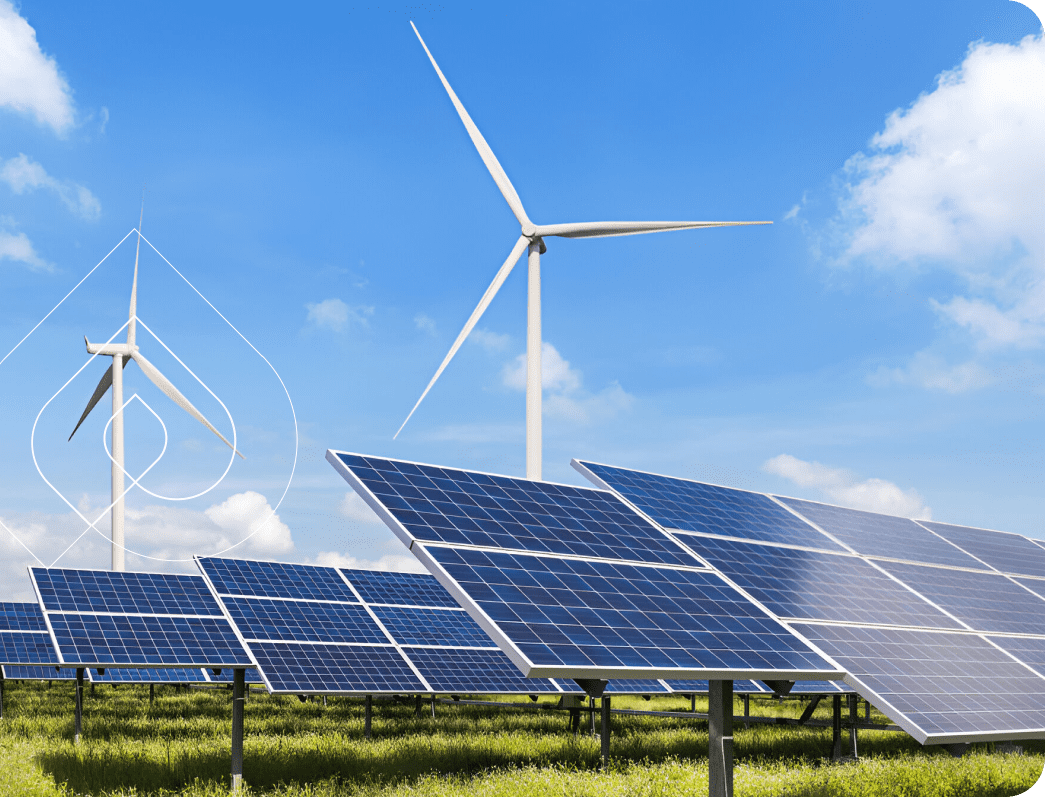
For years, renewable energy depended on government subsidies to compete with fossil fuels. But that’s changing fast. Today, solar and wind power are standing strong on their own — here’s why:
1. Falling Costs
The price of solar panels has dropped by more than 80% in the last decade, and wind turbine efficiency has soared. In many regions, renewables are now cheaper than coal or gas, even without financial aid.
2. Technological Advancements
Better storage batteries, smarter grids, and AI-driven maintenance have made renewables more reliable and cost-efficient. This innovation reduces the need for subsidy-driven support.
3. Private Investment Surge
With strong long-term returns and low operational costs, solar and wind projects attract massive private investment. Companies see clean energy not as charity — but as opportunity.
4. Corporate Demand for Clean Power
Major corporations are committing to net-zero goals, purchasing renewable energy directly. This creates consistent market demand that doesn’t rely on subsidies.
5. Energy Independence
Countries realize renewables offer stable, locally produced power — free from the price volatility of imported fossil fuels. That national benefit drives adoption without needing government funding.
Solar Power
- How it works: Converts sunlight into electricity using solar panels
- Advantages:
- Abundant and renewable
- Low maintenance costs
- Reduces electricity bills
- Works well in sunny climates
- Limitations:
- Generates power only during daylight
- Efficiency can drop with clouds or dust
Wind Power
- How it works: Wind turbines convert kinetic energy from wind into electricity.
- Advantages:
- Clean and renewable
- Efficient in windy areas (onshore or offshore)
- Scalable — from small farms to large wind parks
- Limitations:
- Intermittent (depends on wind speed)
- Requires large open spaces
- Noise and visual impact concerns
More Related Insights


How Solar Energy Powers Your Home: A Journey